Ceiling Painting in NYC
Stains, cracks and dull ceilings made bright, even and clean, including tall prewar ceilings.
A ceiling is the largest surface in most rooms and the one people look at every time they lie on the couch or in bed, yet it is often the most neglected. Over years it collects kitchen grease, cigarette and candle smoke, dust from radiators and brown rings from upstairs plumbing. A fresh ceiling makes the whole room look brighter, even before the walls are touched.
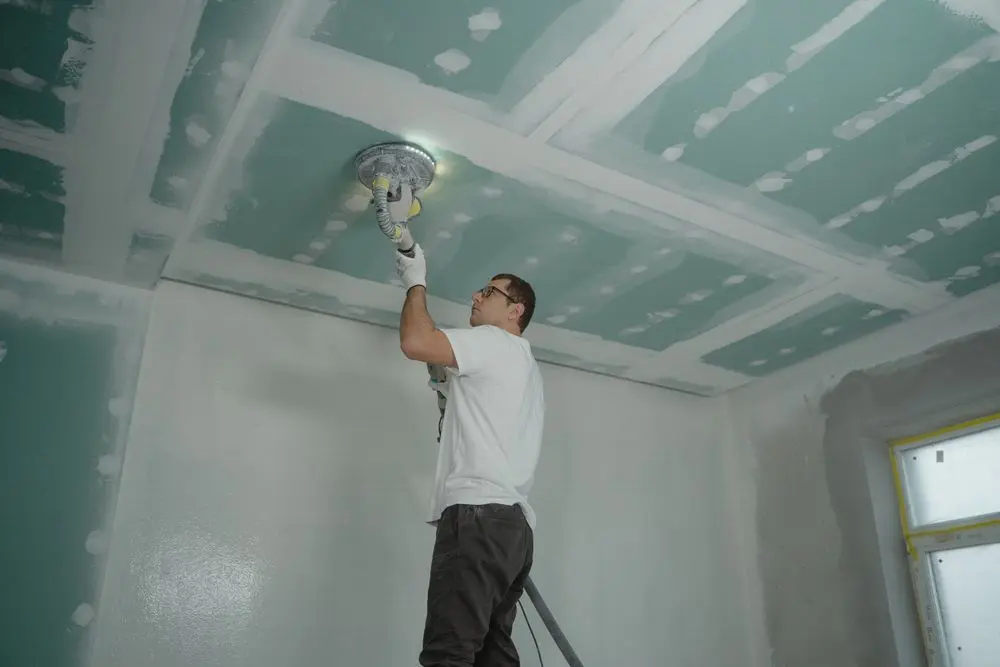
Ceilings in New York have their own quirks. Prewar apartments can have ceilings much higher than modern ones, which means staging or tall ladders instead of a quick extension pole. Lofts and older commercial spaces sometimes have pressed-tin ceilings that need different prep. In some buildings from the mid-twentieth century, textured or popcorn ceilings may contain asbestos, so they should be tested before anyone scrapes or sands them.
We start by finding out what kind of ceiling you have and what has happened to it, because the right plan is different for a clean ceiling than for one with a leak history.
When a ceiling needs painting
- Yellow or brown rings from past leaks or from smoke and cooking
- Peeling or bubbling paint that was applied over a damp or dirty surface
- Cracks along seams, corners or around light fixtures
- A ceiling that looks gray or blotchy compared with freshly painted walls
- Visible roller marks or patchy sheen from an earlier DIY job
- A bright ceiling would help a dark room feel larger
How we paint a ceiling
Check the cause first
If there is a stain, we ask whether the leak has been fixed and the area has dried. Painting over an active leak just hides the problem for a few weeks.
Cover everything below
Ceiling work drips and spatters, so floors, furniture and fixtures are fully covered, and light fixtures are masked or removed.
Seal and patch
Stains are sealed with a stain-blocking primer, cracks are patched and sanded, and loose paint is scraped back to a sound edge.
Cut in and roll
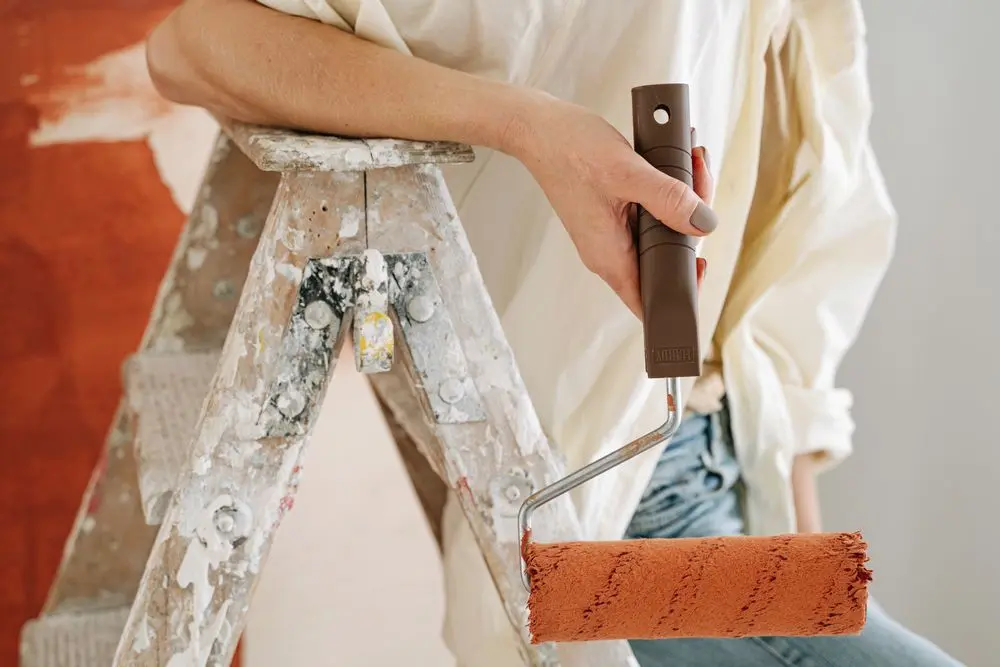
The edges are brushed in first, then the open ceiling is rolled in even, overlapping passes to avoid lap marks, using flat ceiling paint.
Second coat and inspect
A second coat goes on once the first has dried. We check from several angles and with the room lights on to catch any missed spots.
What affects the price of ceiling painting
Ceilings look simple, but these details change the quote:
- Ceiling height. Anything above standard height needs staging or extra ladders and slows the work.
- Stains and repairs. Sealing stains and patching cracks adds prep time before any finish coat.
- Texture. Popcorn or heavy-textured ceilings are slower to paint, and some need testing first.
- Fixtures and molding. Light fixtures, fans, vents and crown molding all add masking and brushwork.
- Room size and furnishings. A large room or one full of furniture takes longer to protect.
Photos of the ceiling, including any stains, plus the approximate room size are all we need to quote it for free.
Why choose LR Tony's Painting LLC for ceilings
- We ask what caused the stain. You will not pay to repaint a ceiling that a hidden leak is about to ruin again.
- Equipment suited to height. We bring ladders or staging that fit a prewar ceiling.
- Clean edges. Ceiling-to-wall lines are cut in carefully so the walls stay unmarked.
- No guesswork on textured ceilings. We flag anything that should be tested before it is disturbed.
Where we do this work
We paint ceilings in homes, apartments and offices across New York City, including tall prewar rooms in Manhattan and apartments in Queens buildings with textured ceilings.
Ceiling Painting FAQs
Why does a ceiling stain keep coming back?
Usually because the source of the moisture was not fixed or the stain was painted over without a stain-blocking primer. We seal stains with the right primer, but if water is still getting in, you will need a plumber or roofer first.
Should the ceiling be painted before the walls?
Yes, almost always. Painting the ceiling first means drips and edge overlap land on surfaces you will paint afterward anyway.
Is it safe to scrape a popcorn ceiling?
Not until it has been tested. Textured ceilings in some older buildings can contain asbestos, and disturbing them can release fibers. Have the ceiling tested before any scraping or sanding, and we can paint it without disturbing the texture.
What color should ceilings be?
A flat white is the usual choice because it reflects light and hides flaws. In a tall room, a slightly deeper tone can make it feel cozier, but it is safest to test a patch first.
Do you paint crown molding the same color?
It is your choice. Matching it to the ceiling makes a room feel taller, and matching it to the trim makes the molding stand out. We will paint it either way as part of the job.
Do I need to empty the room?
No. We move furniture to the middle and cover everything, though anything fragile or valuable is better removed for the day.
Related services
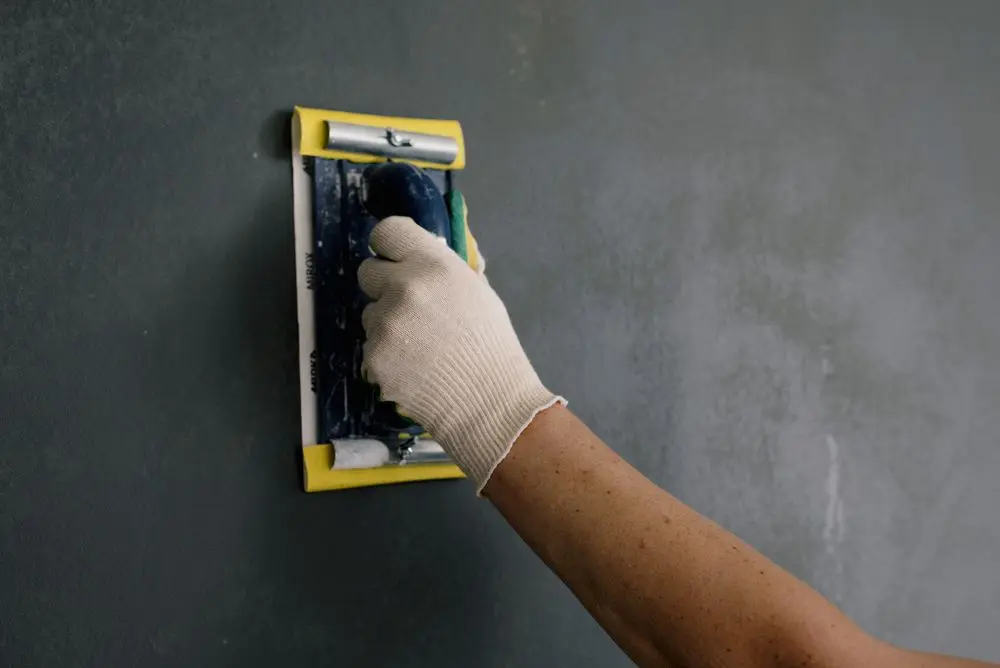
Drywall Patching & Surface Prep
Holes, cracks and damaged walls repaired before paint goes on.
Learn more →
Request A Free Quote for Ceiling Painting
Prefer to talk? Call (845) 891-8952 — reachable 24/7.