Drywall Patching & Surface Prep in NYC
Holes, cracks and damaged walls repaired and sanded smooth, so the paint on top looks flawless.
No paint can hide a bad wall for long. A patch that was sanded poorly shows as a ghost under the new color, and a crack that was only painted over comes back within a season. Surface preparation is what separates a repaint that looks professional from one that looks like a quick cover-up.
New York walls are a mixed bag. Many prewar apartments have plaster over lath that moves with seasonal heat and humidity, producing fine cracks around door frames and windows. Newer buildings use drywall, where problems are usually screw pops, tape seams and holes from shelving, TV mounts and old fixtures. Both need to be repaired properly, and neither is the same job.
We handle this as part of paint prep: patching holes and cracks, smoothing damaged areas and leaving the wall ready for primer. Larger rebuilds, like replacing whole sections of wall or ceiling after a major leak, are a drywall contractor's work, and we will tell you when a job is bigger than patching.
Signs your walls need repair before painting
- Hairline cracks running from the corners of door frames and windows
- Nail pops or screw heads showing through the paint on drywall
- Dents, anchor holes and gouges where shelves, TVs or furniture were removed
- Tape seams that have lifted or cracked along joints
- Water stains or soft spots left by an old leak (once the leak itself is fixed)
- Rough or uneven wall texture after years of repainting over repairs
How we patch and prepare a wall
Assess and mark
We tap and inspect the wall, mark every crack, hole and soft spot, and identify whether it is plaster or drywall. In older buildings we ask about the building's age before sanding any painted surface.
Clean out and scrape
Loose paint, flaking plaster and crumbling edges are removed back to a sound surface so the patch has something to bond to.
Fill, tape and build
Holes are filled, cracks are bridged with mesh or paper tape where needed, and compound is applied in thin layers, each allowed to dry before the next.
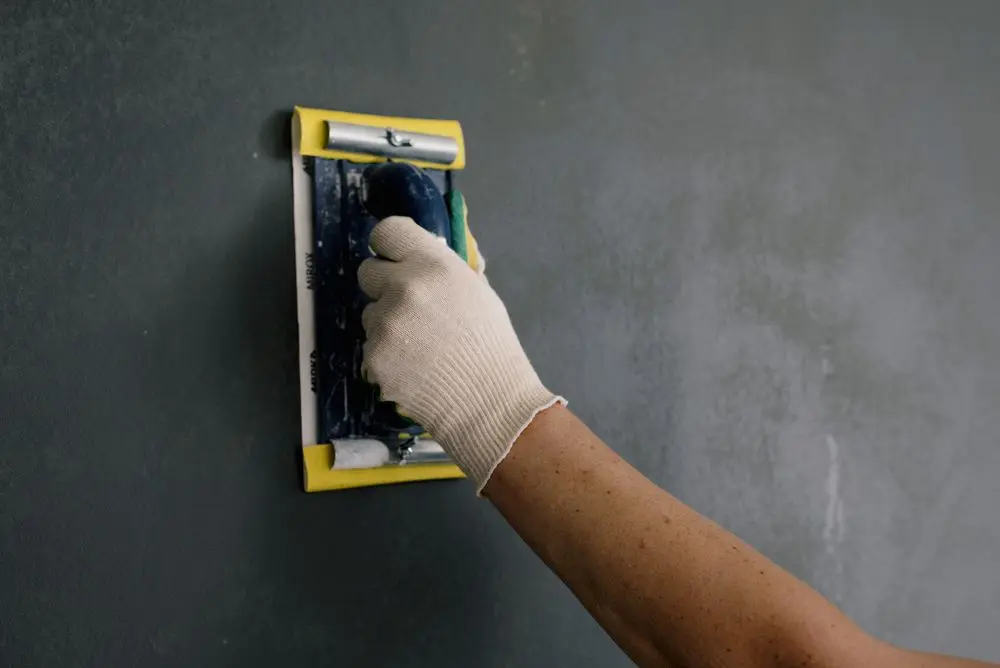
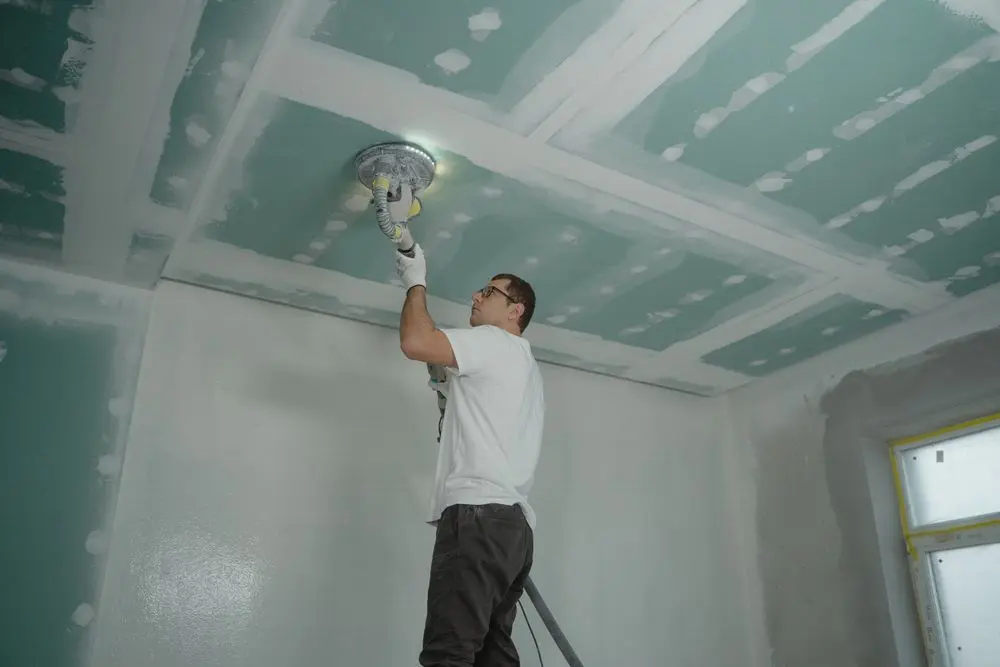
Sand with dust control
The repair is feathered into the surrounding wall. We cover floors and furniture and keep dust down, since sanding is the messiest part of the job.
Prime and check
Patches are spot-primed so they do not flash through the paint, then checked under raking light for ridges and shadows before we hand the wall over to painting.
What affects the cost of drywall patching
Small patches are quick, but the price scales with how much surface needs rebuilding:
- Number and size of repairs. A few nail holes cost little, while many cracks or large holes add up quickly.
- Plaster versus drywall. Cracked plaster often needs more build-up and more drying time than drywall.
- Skim coating. Smoothing an entire damaged wall takes far longer than spot patching.
- Multiple coats and drying. Compound needs time between coats, which can mean more than one visit.
- Texture matching. Blending a repair into a textured wall takes extra care.
Send photos of the damage with something for scale, like a coin or a tape measure, and we will quote it free.
Why choose LR Tony's Painting LLC for prep work
- The painter does the patching. The person preparing the wall is the one who will paint it, so the repair is made to hold the finish.
- Honest about scope. If a repair is really a wall rebuild, we say so rather than patching over a bigger problem.
- Dust is controlled. Floors, furniture and doorways are covered before sanding starts.
- Repairs are primed before paint. That is how a patch disappears under the final color.
Where we do this work
We repair and prep walls across New York City, with frequent requests from Brooklyn rowhouses with old plaster and from Bronx prewar apartments.
Drywall Patching & Surface Prep FAQs
Will the patches show through the new paint?
Not when the patch is sanded properly, primed and covered with enough coats. Skipping primer on bare compound is the usual cause of dull spots that show through, which is why we prime every repair.
Can you fix water damage on a wall or ceiling?
We can repair and repaint the surface once the leak is fixed and the area has fully dried. If the source of the water is not stopped, the stain and peeling will return, so fix the leak first.
Will the cracks come back?
Fine cracks in plaster can reopen with seasonal movement, particularly around doors and windows. We use methods that flex with the wall, but we cannot promise a crack in an old building will never return.
How messy is the sanding?
Sanding creates fine dust, so we cover floors, furniture and vents and clean as we go. If the building was built before 1978, we ask about lead paint before disturbing any painted surface.
How long does patching take?
Small repairs can be done and primed in a single visit. Larger repairs need compound to dry between coats and may take a couple of visits. We give you a time estimate in the quote.
Can you replace a whole damaged section of drywall?
Large replacements are generally a drywall contractor's job. We handle patching, smoothing and finishing, and can coordinate the painting once a contractor has finished a bigger repair.
Related services
Request A Free Quote for Drywall Patching & Prep
Prefer to talk? Call (845) 891-8952 — reachable 24/7.